Spin Recovery for the Modern Mind: Rehearsing Failure in an Age of Automation.
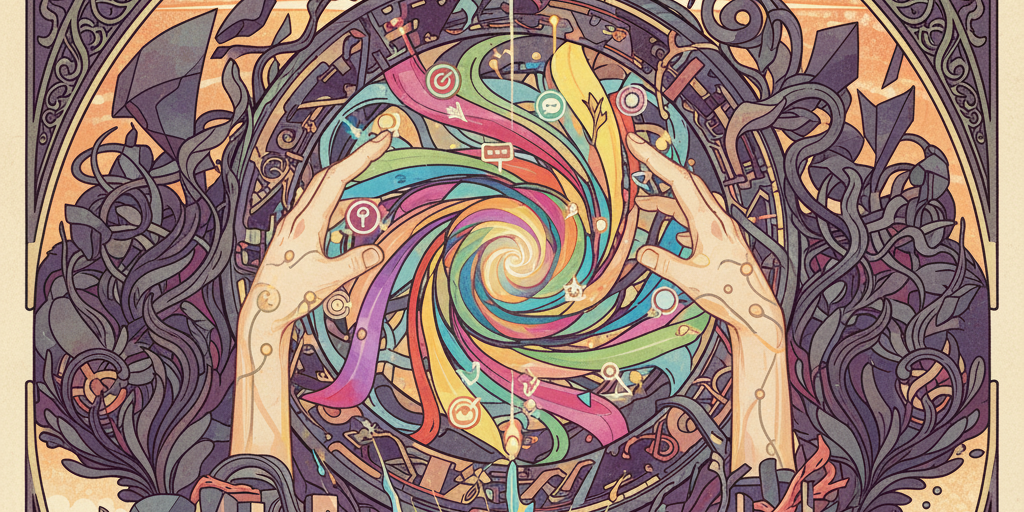
Modern teams mistake smooth surfaces for progress, outsourcing judgment to tools and avoiding the discomfort that breeds mastery. The cure is not more automation but deliberate vulnerability, practiced failure, and closure rituals that restore agency.
When did we become so terrified of admitting we look like shit?
What if the systems you trust to make work faster are quietly eroding your capacity to decide?
What if the very tools promising to liberate you are quietly scripting your downfall, and you're too entangled to notice?
The Cult of Surfaces and the Fear of Failure
We are experts at flying only on sunny days. We’ve built a house of polished surfaces. In our work, we tiptoe around the obvious. We try to smooth things over without naming the obvious. We fill our calendars with endless discussions that fail to reach completion, mistaking the appearance of collaboration for actual progress. We’ve become so conditioned to avoid discomfort that we treat a potential "stall" as a catastrophe to be avoided at all costs, rather than a maneuver to be mastered.
Tool Worship and the Disappearance of Judgment
We celebrate toolchains, dashboards, and automation as if delivery equals mastery. Teams cheer when features ship, then assume the feature will do the thinking for them. Too often, the people who build or operate that tech are competent artisans, not prophets. That’s enough to get something running, but not enough to guarantee clarity, accountability, or durable judgment.
Meanwhile conversations displace decisions: meetings bloom into ambiguity, agreements dissolve into email threads, and nothing is written down with an owner and a deadline. People perform competence on the surface while avoiding the awkward truth about what’s actually broken. The result is a culture that confuses activity with completion and resilience with mere uptime.
We're birthed into innovations that reshape existence, yet the creators behind them often stumble through marketing mishaps and muddled strategies. They're not visionaries wielding flawless plans; they're just persistent souls who show up, harness the tech's momentum, like a living entity that co-opts us for its evolution, and step aside.
Our dialogues about these shifts drag on without closure, wasting breaths in endless loops where ideas clash but never crystallise into action. We avoid the raw truth, masking exhaustion or turmoil behind polite facades, blocking genuine bonds. And worse, we shy from rehearsing the crashes, those deliberate dives into error that pilots master to survive real storms, leaving us unprepared when life's engine falters mid-flight.
The Crisis of Unpracticed Failure
This relentless pursuit of a flawless surface is a catastrophic waste of time. But the true cost is far higher. Because we never practice failing, we have no muscle memory for it. When the real crisis hits, when the engine sputters at 10,000 feet, at night, in a storm, we freeze. We panic. We have no experience to guide our response.
Because you can't transform what you won't feel, and you can't heal what you won't name. This avoidance blocks all connection. We remain isolated, unable to be truly seen. We even misunderstand our own creations, mistaking the "midwives" of new technology for the geniuses, when all that was required was the persistence to show up and get out of the way.
This is not only an efficiency leak; it is a slow muting of agency. When we outsource final thinking to pipelines and dashboards, we lose the muscle of judgment. Meetings without closure generate duplicate work, missed deliverables and chronic rework.
Systems designed by “pretty good” builders work until they don’t and when they fail, teams panic because they never practiced failure. Psychological costs stack up: shame for not knowing, silence instead of truth-telling, exhaustion from patching the same hole repeatedly. Over time the organisation becomes brittle: fast in sunshine, helpless in a storm.
This hesitation festers, turning minor glitches into catastrophic nosedives. Imagine your ideas stalled at 10,000 feet because you've never practiced the spin recovery, your relationships hollowed out from unspoken woes that echo a star musician's weary arrival on set, unacknowledged until one bold voice names the wreck. Time evaporates in unresolved debates, no to-do lists forged, no follow-through assigned, breeding resentment and stalled progress.
The emotional drain mounts. Frustration from tech's impersonal grip, isolation from concealed vulnerabilities, panic when unforeseen failures hit without a safety net. Ignore it long enough, and you forfeit not just opportunities, but the core of what makes life pulse: authentic connections, decisive moves, and the resilience to rebound from inevitable tumbles.
The Pivot: Vulnerability as Operational Competence
The transformation begins with a single, courageous act of vulnerability. It’s the makeup artist who walks in, takes one look at the star, and says with open-hearted honesty, “Wow, don’t you look like shit?”
The effect is immediate: shoulders drop, the truth is spoken, and connection happens. This is the moment we stop avoiding the spin and, like a pilot, deliberately practice the maneuver. We learn that the purpose of discussion isn't just to talk; it's to get in sync and achieve completion.
We learn to end the exchange by stating the conclusions, even if we still disagree, and assign the tasks. We stop searching for "genius" and commit to being the persistent craftsperson who helps deliver the future.
The remedy is simple in concept, rigorous in practice: design your processes so they force clarity, practice breakdowns deliberately, and make honest language the operating norm. Start by treating technology as a partner that amplifies what you already do, not as a replacement for deliberation.
For every conversation commit to a short, written conclusion: yes/no/disagree + next actions + owner + due date. Run small-scale failure drills on core processes until recovery is procedural, not improvisational.
Normalise quick, compassionate truth-telling. Create a low-risk ritual where people name what’s wrong before they fix it. These four moves, the humble stewardship of tools, compulsory closure, rehearsed failure, and candid vulnerability, form a loop that converts noise into learnable signal.
Yet, a pivot emerges when we embrace the raw act of naming what's broken. Voicing the exhaustion without judgment, like that makeup artist cutting through the pretense to spark real dialogue.
Pair it with intentional rehearsals of downfall, stalling your metaphorical plane in safe skies to map the recovery instinctively. Anchor discussions in pursuit of sync, capping exchanges with clear conclusions, assigned tasks, and tracked progress, ensuring every word propels forward.
And amid tech's symbiotic advance, commit to persistence without oversteering and midwifing breakthroughs by showing up authentically, then yielding to the momentum.
Practicing the Spin: A Culture That Trains for Breakdown
Imagine a team that isn't afraid to practice failure. Imagine a culture where you can show up, hollow-eyed and barely hanging on, and be met with connection, not judgment. This is a place where conversations end with clarity: clear conclusions, documented to-do lists, and assigned accountability.
Imagine work where decisions leave a visible trail: conclusions that are written, people who own follow-through, and teams that recover from outages because they have practiced the recovery. Imagine fewer meetings that merely exist to reassure the anxious and more short sessions that end with clear commitments. Imagine the relief of a culture where admitting “I don’t know” opens the door to help rather than shame.
Picture a life unchained: where tech amplifies your genius without devouring your spirit, conversations forge unbreakable alliances and swift decisions, vulnerabilities ignite profound transformations, and practiced failures turn obstacles into fluid maneuvers. You'll navigate storms with split-second grace, relationships deepened by seen truths, potential unleashed in a world that feels vividly alive.
This is how you build genuine flexibility and adaptability. This is how you gain the skill to recover when life throws real obstacles in your way. You can't be loved for who you are if you won't let yourself be seen.
Stop flying only on sunny days. This week, find a safe way to deliberately "stall the plane." Have the one conversation you've been avoiding and force it to completion. Dare to name the truth and watch everything change.
Pick one stalled talk today, name its truth openly, rehearse a small failure deliberately, and commit to closing with action. Your rebirth awaits; seize it before the next spin catches you unaware.
If you want all of that, do three concrete things today:
1) At the next meeting, close with a one-line conclusion and assign a single owner + due date.
2) Schedule one deliberate failure test for a critical flow and run it as an experiment.
3) Begin each team sync with a sixty-second candid check-in. What’s broken for you this week?
Do those three and you force the muscles that actually matter: clarity, ownership, adaptability, and connection. Stop letting systems hide the gaps in your judgment.
The Essential Concepts
The Cult of Surfaces and The Crisis of Unpracticed Failure: Modern teams have developed a "Cult of Surfaces"—a relentless pursuit of a flawless appearance, often outsourcing judgment to tools and avoiding the discomfort that breeds mastery. This results in Tool Worship, where teams mistake delivery (shipped features, uptime) for mastery and confuse activity with completion.
- Erosion of Agency and Judgment: Because teams never practice failing, they lose the muscle of judgment and the muscle memory for recovery. When a real crisis hits, they freeze because they have no experience to guide their response.
- Costs of Avoidance: Conversations displace decisions, leading to meetings that bloom into ambiguity and chronic rework. Emotionally, silence replaces truth-telling, leading to shame and exhaustion. The organization becomes brittle: fast in sunshine, helpless in a storm.
Vulnerability as Operational Competence: Transformation begins with a single, courageous act of vulnerability—the act of naming the truth (e.g., "Don't you look like shit?") to achieve connection. This is the moment to stop avoiding the spin and deliberately practice the maneuver, treating failure as a training ground, not a catastrophe.
The Operating System for Spin Recovery: The cure is not more automation, but a process designed to force clarity, practice breakdowns, and normalize honest language. This forms a loop that converts noise into learnable signal:
- Compulsory Closure: Stop letting conversations displace decisions. For every exchange, commit to a short, written conclusion that includes a yes/no/disagree statement, next actions, an owner, and a due date.
- Rehearse Failure Deliberately: Build genuine resilience by practicing breakdowns (like a pilot practicing a stall maneuver). Schedule small-scale failure drills on core processes until recovery is procedural, not improvisational, forcing the muscles of adaptability and ownership.
- Normalise Candid Vulnerability: Create a low-risk ritual for quick, compassionate truth-telling where people can name what’s truly broken (the sixty-second candid check-in). This enables connection and replaces shame with help.
- Stewardship of Tools: Treat technology as a partner that amplifies what you already do, not as a replacement for deliberation, committing to being the persistent craftsperson who delivers the future.
Immediate Action for Resilience:
- Enforce Closure: At the next team sync or meeting, close with a one-line conclusion and assign a single owner + due date for the next step.
- Schedule Failure: Schedule one deliberate failure test for a critical flow (e.g., a handoff, a process step) and run it as a learning experiment, logging what you learned about the recovery process.
- Practice Candid Check-in: Begin your next team sync or key conversation with a sixty-second candid check-in: what is the one thing that is truly broken for you this week?
I am a Knowledge Worker...
What does it mean for me?
You may be operating under the Cult of Surfaces, prioritising the flawless appearance of your work and mistaking mere activity for completion.
This is fueled by Tool Worship, where you outsource judgment to dashboards and processes, leading to the dangerous Erosion of Agency and Judgment.
Because you never practice failure, when a real crisis hits, you suffer the Crisis of Unpracticed Failure and freeze, making the organisation brittle.
Your meetings suffer from conversations that displace decisions, leading to chronic rework and shame.
The solution is the Pivot: Vulnerability as Operational Competence.
This means adopting the Operating System for Spin Recovery to stop avoiding the "stall" and instead master it by building the muscle memory for recovery through Rehearsing Failure Deliberately and Compulsory Closure in every interaction.
How do I action this?
- Enforce Compulsory Closure (Meeting Protocol): At your next team sync or decision-making meeting, close the discussion with a one-line written conclusion (e.g., "We agreed to test Option B with X segment") and assign a single owner + due date for the next concrete step. This stops conversations displacing decisions and forces clarity.
- Rehearse Failure Deliberately (Process Drill): Schedule one deliberate failure test for a critical, recurring flow (e.g., the handoff of a report to a manager, or data entry into a system). Intentionally omit a key piece of information or introduce a bug, and run it as a learning experiment, logging the exact steps and time taken for recovery.
- Practice Candid Check-in (Normalise Vulnerability): Begin your next team sync or key one-on-one conversation with a sixty-second candid check-in. Ask, "What is the one thing that is truly broken for you this week?" (a technical block, an emotional drain, a fragmented process). This creates a low-risk ritual for truth-telling, enabling connection over shame.
- Stewardship of Tools (Reclaim Judgment): Identify one automated process you rely on heavily (e.g., a data pipeline, a reporting script). This week, dedicate 30 minutes to manually inspect the raw inputs and final outputs to understand why the tool makes its decision. This ensures you treat technology as a partner and not a replacement for deliberation.
I am a Freelancer, Solopreneur, Entrepreneur, Independent Worker...
What does it mean for me?
You are in the Cult of Surfaces, obsessed with the flawless presentation of your service and product, driven by the Tool Worship that equates uptime and shipped features with mastery.
This avoidance results in the Crisis of Unpracticed Failure: when a client relationship or product launch fails, you freeze because you lack the muscle memory for recovery.
The Costs of Avoidance include meetings that bloom into ambiguity and chronic rework, leading to the dangerous Erosion of Agency and Judgment. The solution is the Pivot: Vulnerability as Operational Competence.
By adopting the Operating System for Spin Recovery, you can Rehearse Failure Deliberately and use Compulsory Closure in client interactions, building genuine resilience that is your unique edge over automated, brittle competition.
How do I action this?
- Enforce Compulsory Closure (Client Protocol): Following your next client call or key vendor email exchange, immediately send a summary with a one-line conclusion (e.g., "We agreed the deliverable is X, not Y") and assign a single owner + due date for the next step. This prevents agreements from dissolving and ensures Compulsory Closure.
- Rehearse Failure Deliberately (Process Drill): Schedule one deliberate failure test for a critical client-facing flow (e.g., the onboarding sequence, or a payment link). Intentionally break the process (e.g., send the wrong link or a bad input) and run it as a learning experiment, logging the time and precise steps needed for procedural recovery.
- Practice Candid Check-in (Normalise Vulnerability): Before your next key client check-in or major project review, begin with a sixty-second candid check-in (internal or with a trusted peer). Name one thing that is truly broken or causing stress this week (e.g., scope creep, self-doubt about pricing). This simple act enables connection and prepares you to face the client with clarity.
- Stewardship of Tools (Reclaim Judgment): Identify one automated marketing or product function you rely on (e.g., your email sequence trigger, a specific ad optimization setting). This week, dedicate 30 minutes to manually review the decision logic behind the tool. Adjust one setting based on your judgment of the strategy, ensuring you are the master strategist and not the subservient apprentice.