Notes to the Future Self: Killing Heroes, Rescuing Systems.
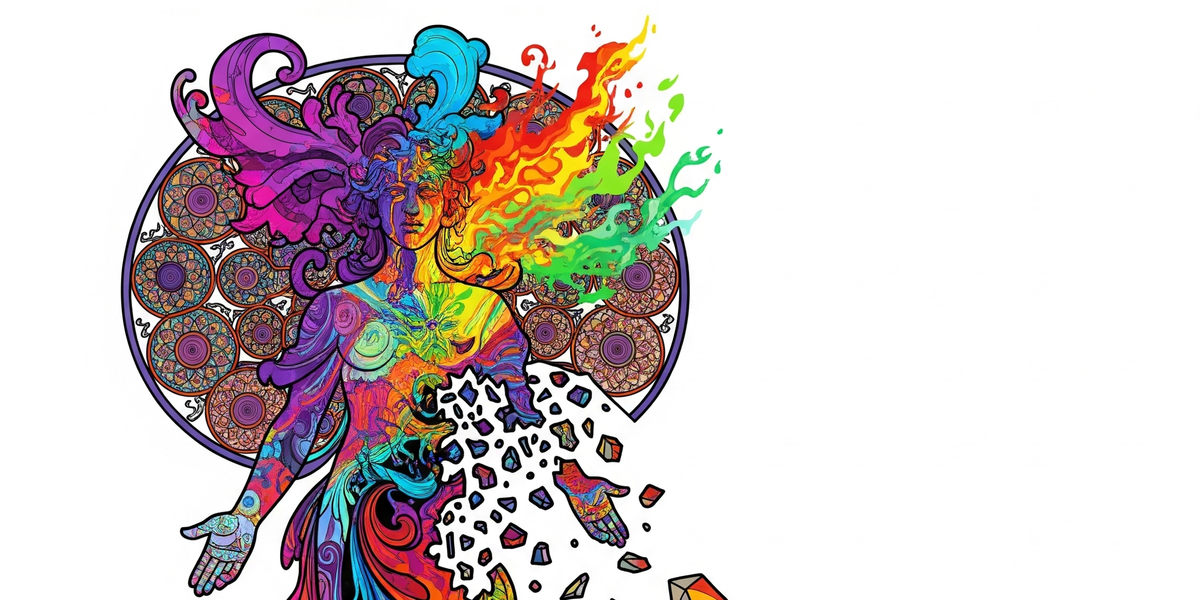
We wait for leaders, instincts, and heroes to guide us—but their flaws are our flaws, and our memories betray us. This essay argues for a radical shift: trading myths and gut feelings for systems that make us better than we are in the moment.
When was the last time you saved the feeling of a mistake so you could actually learn from it, not tomorrow, not in theory, but in a way your future self can’t ignore?
Why do we keep chasing shadows of perfection in others, only to crash into our own repeated mistakes?
What if the “adults” you’re waiting for to fix things don’t actually exist?
The Myth of the Grown-Ups
We live our lives looking for a blueprint, assuming the great figures of our time operate on some higher intellectual plane. We revere the vision of a Steve Jobs, the genius of a Mozart, the moral force of a Martin Luther King. We trust that somewhere, there are people with the real answers.
In our own world, we replicate this hope. We build our teams, as the very engines of our progress, based on a gut feeling. We rely on the charisma of a candidate, the consensus of a committee, and the vague, semi-random criteria of who we “liked.”
We navigate by instinct, believing our in-the-moment judgment is a reliable compass. It feels natural, human, and right. But this entire operating system is built on a dangerous myth, and it leaves us vulnerable to the invisible currents that truly govern us.
We live by what’s loud, not what’s true. A vivid day blazes brighter than any spreadsheet. It's the day you spent sick and swearing you’d never go out drinking that deep again, or the sudden joy of leaving work early to laugh with friends. So next year we choose as if that feeling never happened.
At the same time, the way we bring people into our teams is a messy superstition: resumes skimmed by whoever’s available, interviews shaped by whoever’s in the room, decisions made on gut and charisma. Add in the quiet poison of envy, people watching others get what they want and convincing themselves merit will fix everything, and the whole thing calcifies.
The Illusion of Giants
Finally, we keep treating public figures and founders like adults who have all the answers, even when their lives were messy, irrational, or downright self-sabotaging. The result is a slow rot: institutions that forget lessons, teams that hire by luck, and communities that worship façades while real problems grow.
We scroll through feeds idolizing icons, visionaries like Jobs crafting empires, philosophers like Nietzsche unraveling truths, or leaders like King igniting change, and convincing ourselves they've cracked the code to flawless living.
But beneath the gloss, these "giants" stumbled wildly: delaying life-saving treatments for juice cleanses and needles, drowning in debt while begging pals for cash, or chasing fleeting highs that scarred them forever.
We mimic their highs, ignoring the lows, all while our own choices echo the chaos. This envy creeps in, ancient and raw, twisting fair systems into self-destructing messes, where we demand "our share" without seeing how it erodes everything we've built.
The Cycle of Poison and Forgetting
This reliance on flawed heroes and faulty intuition is a slow poison. When we hire by feel, we sow the seeds of future chaos. We ignore the silent, corrosive power of envy that bubbles up when rewards and recognition feel arbitrary, a force strong enough to make any system self-destruct over time.
On a personal level, we are just as undisciplined. The sharp, visceral memory of a terrible hangover fades over nine months, so we forget temperance and suffer again. The exhilarating feeling of a walk in the cold rain is forgotten a week later, so we stay inside. We are doomed to repeat our worst decisions because the raw experience of now always shouts louder than the distant echo of the past.
We idolise Isaac Newton, the architect of modern physics, yet conveniently forget he wasted 30 years on the pseudoscience of alchemy. When we put our faith in fallible gurus and our own fleeting emotions, we are choosing to repeat their mistakes and our own, trapping ourselves in a cycle of accidental success and predictable failure.
This isn’t just inefficiency. It becomes the engine of repeated failure. Missed lessons mean repeated pain and the same regret arrives again, sharper. Random hiring choices mean the talent you needed showed up years later, exhausted from trying to fit a process that never measured what matters.
Envy fuses into bad decisions: people chase positions and perks instead of what builds durable capability, and offices turn into arenas of quiet resentment.
Meanwhile, hero-worship blinds us; we keep chasing “answers” from figures whose greatest achievements sit beside their strangest, most destructive choices. The cost is emotional: exhaustion, shame, the slow shrinking of ambition. The cost is practical: stalled teams, misallocated resources, and opportunities that vanish while we argue about who was right.
That quiet resentment festers, sparking irrational snaps: skipping vital reason because last time's misery fades too fast, or splurging beyond means to match someone else's shine, piling debt like forgotten letters.
Relationships crack under unspoken jealousies, teams dissolve from haphazard picks where charm trumps skill, leaving you isolated in a rut of regret. The toll mounts, "just one more" all because memory tricks you, making now's pain vivid but tomorrow's wisdom faint.
Left unchecked, this cycle devours your spark, turning potential into a graveyard of what-ifs, where even your heroes' hidden flaws mock your unraveling.
Building Systems, Not Saviours
The escape is not to find better heroes; it is to kill the very idea of them. The breakthrough comes when we stop looking for saviours and start building a more reliable engine. It begins with the radical decision to distrust our instincts and instead, build an evidence-based system for ourselves.
What if choosing people wasn't a lottery, but a science? Imagine a hiring machine where the goals are clear, every question is purposeful, and every answer is logged, creating a library of data that correlates to actual future performance. What if you could bend your own future in a useful direction? You can.
The next time an experience teaches you a powerful lesson don't just file it away in your memory. Write it down, capture how it truly felt, and schedule that note to be delivered to your future self right when you’ll need it most. This isn't a diary you put on a shelf; it's a strategic memo sent through time to a future version of you who is about to make the same old mistake.
There’s a deceptively small set of practices that breaks this loop.
First, let your present feelings travel forward not as vague nostalgia, but as scheduled reminders. When a moment hits you write it down and pin it to a future date. Nine months later, your future self will have the exact memory you need to decide differently.
Second, stop hiring like a coin flip. Make the process a measurement system: define outcomes, craft questions that differentiate, record answers, and treat each interview as data that can be learned from.
Third, name envy when it appears. When someone’s gain makes your stomach tighten, note it and ask what need you’re mistaking for justice. That tiny self-check prevents systems from feeding on grudges.
Finally, refuse the pedestal. Study the messy lives behind the résumé: the failed diets, the debts, the strange obsessions. Then, design your choices around systems that don’t depend on perfect gurus.
Craft a deliberate system: jot the sting of that flu that floored your friend, the joy of ditching desks for laughter, or the rush of braving storms for fresh air and fling those notes forward, timed to jolt you when temptation strikes.
For alliances, ditch the random chats; map questions that probe true fit, track answers against real outcomes, blending data's edge with that instinctive spark in their gaze. Envy loses its grip when you measure not against others, but your own evolving proof, bending time's arc toward sharper choices.
Architect of Your Own Evolution
Imagine a reality where your growth is deliberate, not accidental. A place where your team is built not on bias, but on a clear, documented understanding of what excellence looks like, neutralising the quiet resentment that cripples culture.
A future where you are guided not by a fading memory, but by a precise reminder from your past self, armed with the vivid emotional data of a lesson already learned. In this world, you are no longer at the mercy of whim and flawed intuition.
You are not waiting for a mythical "adult" to save you, because you’ve realized they were a fiction all along. You are saved by the process. You are saved by the system you had the discipline to build.
Stop searching for the perfect guru. They are all, without exception, magnificently flawed. Instead, pick one recurring, critical decision in your life or work. Write down a better way to make it. Track the results. Become the architect of your own evolution.
Imagine treating success as replicable practice rather than miracle. Picture decisions that feel like promises kept to yourself because you scheduled the memory to prove you once felt a certain way and organisations that learn faster because interviews produce usable, comparable signals.
Picture envy turned into calibration: you see someone’s rise and ask “what can I learn?” instead of “why them?” And imagine leaders stripped of myth, replaced by systems that survive messy humans.
Imagine decisions that flow with clarity. Teams humming on solid bonds, envy replaced by quiet drive, past pains as allies whispering warnings. You'll reclaim hours for what lights you up, debts dissolving into freedom, health guarded not gambled.
No more pedestals crumbling under weight; just you, architect of a bolder path, where flaws fuel growth and futures unfold brighter.
Today, draft one question that maps directly to a measurable outcome and commit to recording the answers. Capture today's raw lesson, write one vivid paragraph about a recent feeling (joy, failure, regret) and schedule it to hit your calendar months ahead, then watch how it reshapes everything.
The Essential Concepts
The Myth of "Grown-Ups" and the Illusion of Giants: We live our lives assuming that the great figures of our time operate on a higher intellectual plane and have all the answers. The article argues this is a dangerous myth. We trust our gut feelings and use "messy superstition" like charisma and instinct to make important decisions, but this leaves us vulnerable to our own biases and flaws. The author notes that even historical "giants" like Isaac Newton or Steve Jobs had messy, irrational, and self-sabotaging parts of their lives that are conveniently forgotten.
The Cycle of Poison and Forgetting: This reliance on flawed heroes and faulty intuition is a "slow poison." On a personal level, we are undisciplined, allowing the sharp, visceral memory of a mistake to fade over time, which dooms us to repeat our worst decisions. On a professional level, hiring by "feel" or instinct sows the seeds of future chaos and allows the corrosive power of envy to bubble up when recognition feels arbitrary. This cycle of hero-worship and forgetting becomes an "engine of repeated failure" and leads to stalled teams, misallocated resources, and a life spent chasing ghosts.
Building Systems, Not Saviours: The escape is to "kill the very idea of them" and stop looking for saviors. The breakthrough is to build a more reliable, evidence-based system that is stronger than our fleeting emotions and instincts. The article suggests turning decision-making into a science, where goals are clear, and every question and answer is logged as data to correlate with actual future performance.
Actionable Steps for Personal Evolution: The article provides three concrete steps to break the cycle and become the architect of your own evolution:
- Capture experience for the future: Write down the visceral feeling of a powerful lesson and schedule it to be delivered to your future self when it will be most needed.
- Systematise hiring: Stop hiring by "coin flip" and instead make the process a "measurement system" by defining outcomes and recording answers.
- Name envy: Acknowledge envy when it appears and ask what need you are mistaking for justice to prevent your systems from feeding on grudges.
I am a Knowledge Worker...
What does it mean for me?
This post reveals that your career growth may be stalled by The Myth of "Grown-Ups", where you subconsciously believe that a brilliant leader or mentor will save you from your own flaws.
This leads to a dangerous Cycle of Poison and Forgetting, where you repeat past mistakes because the sharp memory of a negative experience fades over time.
On a professional level, you might be contributing to a messy team environment by making hiring decisions based on charisma or instinct, which allows the corrosive power of envy to bubble up when recognition feels arbitrary.
The solution is to stop looking for saviors and start Building Systems, Not Saviours.
By creating a deliberate, evidence-based system for your career, you can become the architect of your own evolution, ensuring that you learn from your past mistakes and build a career that is more resilient than your moods and fleeting emotions.
How do I action this?
- Build a "Future Self" Memory Bank: The next time you have a strong emotional reaction to a professional situation—whether it's the frustration of a project failure or the relief of a difficult conversation going well—write a short note about it. In that note, describe what happened and how it felt. Then, use a calendar app to schedule that note to be delivered to you six months from now. This helps you capture the experience for the future and learn from it when you need it most.
- Audit Your "Gut" Hiring Process: Before you participate in the next interview, draft a two-page document that defines the specific outcomes you need from the role, the key questions you will ask, and a scorecard to rate the answers. This is an explicit effort to systematise hiring and move beyond the "messy superstition" of instinct and charisma.
- Conduct a "Reverse Envy" Audit: The next time you feel a pang of envy toward a colleague's promotion or accomplishment, note it down. Ask yourself, "What would I have to sacrifice to get that?" If the answer is something you're not willing to give up (e.g., your evenings, your integrity), it helps you to name envy for what it is—a desire for something that comes with a price you're not willing to pay.
- Stop Looking for the "Perfect Guru": Identify one professional habit you keep trying to fix by reading a new book or listening to a new podcast. Instead of seeking out more advice, commit to implementing a single, actionable tip you've already heard. This is a deliberate choice to stop looking for saviours and start building a more reliable engine for your own evolution.
I am a Freelancer, Solopreneur, Entrepreneur, Independent Worker...
What does it mean for me?
This post offers a critical strategic reset for your business, revealing that your growth may be stalled by The Myth of "Grown-Ups", where you subconsciously believe that a brilliant founder or guru will save you from your own flaws.
This leads to a dangerous Cycle of Poison and Forgetting, where you repeat past mistakes because the sharp memory of a negative experience fades over time.
On a professional level, you might be allowing the corrosive power of envy to bubble up when you compare yourself to other founders, which can lead to a business that is built on chasing trends instead of building a sustainable foundation.
The solution is to stop looking for saviors and start Building Systems, Not Saviours.
By creating a deliberate, evidence-based system for your business, you can become the architect of your own evolution, ensuring that your business is more resilient than your moods and fleeting emotions.
How do I action this?
- Build a "Future Self" Memory Bank: The next time you have a strong emotional reaction to a business situation—whether it's the frustration of a project failure or the relief of a client testimonial—write a short note about it. In that note, describe what happened and how it felt. Then, use a calendar app to schedule that note to be delivered to you six months from now. This helps you capture the experience for the future and learn from it when you need it most.
- Systematise Your "Hiring" Process (for contractors/vendors): Before you hire your next freelancer or contractor, draft a simple document that defines the specific outcomes you need, the key questions you will ask, and a scorecard to rate the answers. This is an explicit effort to systematise hiring and move beyond the "messy superstition" of instinct and charisma.
- Conduct a "Reverse Envy" Audit: The next time you feel a pang of envy toward another founder's success, note it down. Ask yourself, "What would I have to sacrifice to get that?" If the answer is something you're not willing to give up (e.g., your nights, your integrity), it helps you to name envy for what it is—a desire for something that comes with a price you're not willing to pay.
- Stop Looking for the "Perfect Guru": Identify one business problem you keep trying to fix by reading a new book or listening to a new podcast. Instead of seeking out more advice, commit to implementing a single, actionable tip you've already heard. This is a deliberate choice to stop looking for saviours and start building a more reliable engine for your own business.