Attribution as Architecture: How Our Origin Stories Remodel Agency and Rust Strategy.
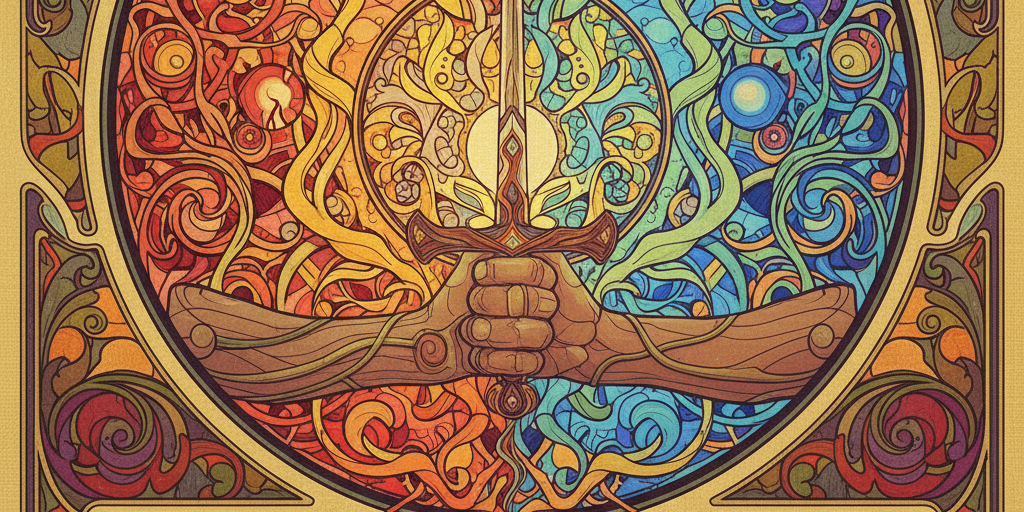
We inherit interpretive lenses that both wound and arm us. Treat your assumptions like instruments: test, sharpen, and stop hiding the costs of your strengths. When origin stories become unexamined strategies, individuals and teams drift. This essay prescribes a practical regimen (transparency, tests, and steelmanning) to convert noise into usable signal.
Are the narratives that protect your ego the same ones slowly suffocating your potential?
Who taught you to pay attention to this exact story and what would change if you stopped believing it without testing it?
What if the stories you tell yourself about your scars are only half-true, blinding you to the strengths they forged?
Intuitive Theories, Culture and Parental Attribution
We all live by our own set of intuitive theories. If you’ve ever caught a ball, you’ve used a theory of gravity. If you've ever posted on social media, you've used a theory of media. We have theories about politics, about medicine, and, most profoundly, about ourselves. This culture, our "normal," is built on these unexamined assumptions.
And the most convenient assumption we make is the Parental Attribution Error. We skillfully externalise the bad, tracing a neat line from our flaws straight back to our upbringing.
We’re anxiously attached because no one held us. We’re neurotic because we were pushed too hard. We’re people-pleasers because we had to keep the peace. At the same time, we claim what’s strong as ours alone. This is our default narrative: our wounds are their fault; our strengths are our own.
You live inside a set of invisible assumptions: a daily curriculum of headlines, notifications and trusted sources that quietly teach you how the world works. Every time you click, share or nod along you’re practicing a theory about cause and consequence and most of those theories go untested.
Organisations mirror this: decisions get made on polite consensus, curated slide decks and the soft demand for “good vibes,” not on clear-eyed evidence. At home we do something similar. We point at childhood and say that it made us broken and we fail to recognise that the same past also delivered some of our most useful tools.
Meanwhile, debates are won by volume and style rather than strength of reasoning, because nobody steelmans the other side or asks hard questions. The result is a fragile normal: confident, comforting and increasingly brittle.
You navigate life with unspoken assumptions about how information shapes your world, why certain voices grab your attention over others, or even the roots of your own quirks. Like catching a ball without studying gravity, you act on gut theories about media, politics, and personal history, often without questioning if they hold up.
This feels utterly normal, a seamless part of the culture that surrounds you, one that's shifted dramatically from what came before, flooded with noise that masquerades as insight. Yet here's the menace: we cherry-pick blame for our stumbles, pinning anxiety on a distant parent's chill, perfectionism on their relentless push, while hoarding credit for the grit or empathy that sprouted from the same soil.
We sling sloppy arguments in our inner debates, skimping on the full map of reality, letting unexamined "truths" about our flaws or the flood of daily media dictate our path. This hidden skew erodes trust in ourselves and others, leaving key issues buried, behaviors unchecked, and real growth stalled.
The Rot: Double Standards, Complacency and Cost
This isn't just a harmless double standard; it’s a rot. It’s a "bad argument" we use on ourselves, and we're all susceptible to it. We cast ourselves as the "victim," which feels simpler than reckoning with a "complicated inheritance."
When we operate this way, we're only looking at our "map," not the "territory." We become incapable of having productive debates because we haven't researched both sides. We’ve already decided who the villain is.
We then apply this logic everywhere, hiding "harsh truths" to "protect" people. We treat our colleagues and families like children who still need to believe in the "Tooth Fairy," concealing reality to make them happier in the short run. But this doesn’t make them smarter or more trusting. It breeds uncertainty and rumors, and it proves our theories about the world are failing us.
This complacency has a tax. Misplaced attention funds bad incentives: teams chase vanity metrics, leaders hide hard truths to avoid discomfort, and collaborative learning grinds to a halt. Mistaken beliefs calcify into strategy. Small errors compound into costly projects, stalled careers, and relationships strained by evasions and half-truths.
Emotionally it’s worse. Anxiety masked as certainty, anger masquerading as conviction. You end up either defending a belief or defending your identity; neither produces better outcomes. The painful truth: avoiding honesty and failing to interrogate your own theories is not protection, it’s sabotage.
Ignore this warp, and it festers. Decisions falter because your theories clash with what's unfolding, breeding frustration and missed chances. That unacknowledged double standard in how you attribute your edges?
It traps you in victimhood, amplifying shame over traits that could be allies, like the hyper-vigilance from chaos that sharpens your edge but also frays your nerves. Media's pull? It siphons your focus into echo chambers, turning potential clarity into emotional haze, eroding your agency bit by bit. Without facing harsh realities head-on, mistakes repeat, weaknesses compound, and relationships strain under the weight of half-truths.
The toll mounts: eroded confidence, stagnant progress, a gnawing sense that life's slipping through your grasp, all because dodging the full picture feels safer than the fight-or-flight jolt of raw honesty. Let it drag on, and it devours your edge, leaving you reactive, isolated, adrift in a world that demands sharper sight.
Breakthrough: Radical Truth and Method
The breakthrough is the move from this comfortable delusion to radical truth. It’s the mature realisation that the truth is "messier" than a single cause. It's understanding that our "wounds and gifts often share a root."
The very pressure you blame for your anxiety is also the source of your discipline. The conflict you avoided, which you say makes you fear confrontation, also forged your talent for de-escalation. Your "sharp edges" are often the byproduct of something useful. The sword is "double-edged," and instead of blaming the person who gave it to you, you have to "learn how to hold it properly."
This requires radical transparency, even when you don't have all the answers. It’s the courage to hold a town-hall meeting before a deal is done, admitting you don't know everything, but trusting your team with the reality. It’s hard. Adapting to this level of truthfulness can take months; your "lower-level you" will react with a "flight-or-fight response." But like hard physical exercise, it is the only way to get stronger.
There is a practical method for changing this. First: treat every attention choice as theory-building, a.k.a test it. Ask why you trusted a source and what evidence would change your mind. Second: institutionalise brutal candour. Make openness a routine not a slogan, so that mistakes surface early and learning compounds. Third: refuse lazy argumentation; steel man the opposing view and run the ideological Turing test on your strongest claims. Finally, stop splitting your origin story into virtue or victimhood. Trace both the wounds and the gifts to the same roots and hold them together.
Combined, these moves form an intellectual hygiene: deliberate curation of attention, structural transparency, rigorous debate, and nuanced self-accounting. None are neat or easy; all of them build resilience.
Committing to unfiltered candour, not just with others but in your own head, laying bare the good, bad, and messy to test every assumption. This means steeling yourself to argue the other side fiercely: if you blame a turbulent home for your guarded heart, probe how it also honed your steadiness in storms.
Apply it to media too. Articulating why you tune in here, not there, and demanding your theories prove their worth. It's a grind at first, that raw exposure sparking inner resistance, much like athletes pushing through pain to build strength.
Over months, as you practice this merit-based scrutiny, sharing uncertainties early, like floating a bold restructure without all the answers. It reveals patterns, accelerates learning, and forges unbreakable trust. No spin, no shields; just the clarity that turns obstacles into stepping stones, proving that facing the unvarnished truth isn't natural at first, but it's the forge for real power.
Vision and Practical Start Steps
Imagine a life where there is no spin. A place where you and the people around you can "openly assess the merits of your logic." This is a true "idea meritocracy," and it is "liberating." Learning is accelerated. Trust is built, not assumed.
You stop being the victim of your past and instead become the steward of your "complicated inheritance." You can finally thank your parents in the same breath you critique them. You become perceptive, reliable, and thoughtful, not despite your past, but because you’ve finally learned to wield all of it.
Picture emerging sharper, unburdened where your once-hidden flaws reveal their dual blades, turning self-doubt into drive, sensitivity into insight, all woven into a resilient core. Media becomes a tool you wield, not a tide that sweeps you, fueling informed choices that align with a thriving life.
Relationships deepen through mutual candour, ideas clash and refine in open air, yielding breakthroughs that elevate everyone. No more default drift; instead, a liberated stride, where trust in the process lets you outpace the noise, adapt swiftly, and claim agency over your narrative.
Don't "surrender agency" to the easiest story. Articulate your theories. The next time you feel that defensive "flight-or-fight" response, lean in. Ask yourself: Am I seeing the territory, or just my map? Am I blaming the root for the wound while taking credit for the gift?
Choose to be radically truthful. It’s the only way to thrive. Imagine decisions made faster because the assumptions were clear, teams that learn visibly because nobody flinches from the truth, and a self that can name both its armor and its cost. Confidence without fragility. Speed without foolishness. Trust that’s earned and audit-able.
Pick one assumption and dissect it ruthlessly, sharing it aloud with someone you trust. If you want to start now, do these four things today:
- List your three primary information sources and write one testable prediction each implies.
- Ask one colleague or friend for blunt feedback and record it without defending.
- Take a current belief and construct the best opposing case for it.
- Reframe one parental-origin story into “strength + cost”, name both.
Do that, and you’ll stop being an accidental theorist of your life and start being an intentional one. That is how noise becomes signal, and how brittle systems begin to thrive.
The Essential Concepts
Core Problem: The Parental Attribution Error
The central flaw in our self-narrative is the Parental Attribution Error. This is the convenient, default narrative where we skillfully externalise the bad (our flaws/wounds are traced to external sources like upbringing) and claim what's strong as ours alone. This double standard is a "bad argument" we use on ourselves, trapping us in victimhood and preventing us from recognising our "complicated inheritance."
The Rot: Complacency and Unexamined Theories
This error turns our intuitive theories (assumptions about life, media, and ourselves) into unexamined strategies, leading to:
- Looking at the "Map," Not the "Territory": Our internal narrative becomes more important than reality, making us incapable of productive debate because we've already decided who the villain is.
- Sabotage via Protection: Applying this logic externally means hiding "harsh truths" to "protect" people. This creates a fragile normal, breeds uncertainty, and causes mistaken beliefs to calcify into strategy.
- Emotional Toll: We defend an identity or a belief, often masking anxiety as certainty or anger as conviction, which produces no better outcomes and erodes confidence and agency.
The Breakthrough: Radical Truth and Intellectual Hygiene
The solution is a move to radical truth and the mature realisation that our wounds and gifts often share a root. The goal is to stop being a victim and become the steward of your inheritance. This transformation requires Intellectual Hygiene, a practical regimen to convert noise into usable signal:
- Integrated Origin Story: Stop splitting your past into virtue or victimhood; acknowledge that your "sharp edges" are the byproduct of something useful and that the sword is "double-edged."
- Structural Transparency: Institutionalise brutal candour as a routine, ensuring mistakes surface early and collective learning compounds.
- Rigorous Debate: Refuse lazy argumentation by demanding testable claims and running the Ideological Turing Test (Steelmanning the opposing view).
Practical Regimen: Four Start Steps Today
To stop being an accidental theorist of your life and start being an intentional one, do these four things today:
- Test Your Theories: List your three primary information sources and write one testable prediction each implies.
- Invite Critique: Ask one colleague or friend for blunt feedback and record it without defending.
- Refuse Lazy Argumentation: Take a current belief and construct the best opposing case for it.
- Integrate Your Past: Reframe one parental-origin story into “strength + cost”, and name both.
I am a Knowledge Worker...
What does it mean for me?
You may be operating under the Core Problem: The Parental Attribution Error, using a subtle but pervasive double standard that externalises your flaws (your "wounds") while claiming your strengths as solely your own.
This emotional protection turns your intuitive theories into unexamined strategies, making you look at the "Map," Not the "Territory," and leading to Complacency and Unexamined Theories within your work.
The cost is high: you defend an identity (masking anxiety as certainty) instead of challenging your beliefs, which causes strategic drift and erodes confidence and agency.
The Breakthrough is to achieve Radical Truth through Intellectual Hygiene. By adopting a Rigorous Debate mindset and an Integrated Origin Story for yourself, you stop being a victim of your past and become the steward of your "complicated inheritance," accelerating learning and earning the quiet authority that comes from being audit-able.
How do I action this?
- Refuse Lazy Argumentation (Steelman a Belief): Take one current, strongly held professional belief (e.g., a specific project approach or a team's core metric) and construct the best opposing case for it in a short, one-paragraph brief. This Rigorous Debate forces you to Steelman the opposing view and test your own logic.
- Test Your Theories (Scrutinise Information Sources): List your three primary information sources for professional decisions (e.g., a specific news site, an internal data dashboard, a mentor). For each one, write one specific, testable prediction it implies about your industry or project outcome next quarter. This moves you from passively accepting the "Map" to actively testing the "Territory."
- Structural Transparency (Invite Critique): Identify one colleague whom you trust to be candid but haven't asked for deep critique. Ask them for blunt feedback on one specific area of your work (e.g., your communication style, your presentation deck clarity). Record the feedback without defending or explaining yourself, practicing Structural Transparency.
- Integrate Your Past (Strength + Cost Analysis): Identify one personal trait that feels like a professional flaw (e.g., being overly detail-oriented, difficulty delegating). Reframe this trait into “strength + cost”: name the useful strength it provides (the gift) and the cost (the wound). This builds an Integrated Origin Story that acknowledges your "complicated inheritance."
I am a Freelancer, Solopreneur, Entrepreneur, Independent Worker...
What does it mean for me?
You are constantly vulnerable to the Core Problem: The Parental Attribution Error, where you blame external factors for business struggles while claiming solo credit for wins.
This is a bad argument that traps you in victimhood, preventing you from learning from your mistakes.
This also manifests as Sabotage via Protection: you hide "harsh truths" (like financial uncertainty) to protect your brand image, but this breeds uncertainty and allows mistaken beliefs to calcify into strategy.
Your strategy becomes about Looking at the "Map," Not the "Territory." The Breakthrough is adopting Intellectual Hygiene and Radical Truth.
This means applying Structural Transparency (e.g., with partners/customers) and an Integrated Origin Story to your business path, which converts noise into a usable signal and builds trust that is earned and audit-able.
How do I action this?
- Refuse Lazy Argumentation (Steelman a Belief): Take one current business assumption you strongly believe in (e.g., a specific marketing channel is essential, a product feature is necessary). Construct the best opposing case for it in a short internal memo. Argue why the opposite is true, using facts, to ensure you are engaging in Rigorous Debate with your own assumptions.
- Test Your Theories (Scrutinise Information Sources): List your three primary information sources for market trends and customer behavior. For each one, write one specific, testable prediction it implies about a competitor's next move or a customer's pain point next month. This compels you to treat external information as theory, not truth.
- Structural Transparency (Invite Critique): Identify one close client or collaborator and ask them for blunt feedback on one specific area of your business process (e.g., your onboarding flow, your communication cadence, your pricing clarity). Record the critique without defending or explaining your choices, making Structural Transparency a routine.
- Integrate Your Past (Strength + Cost Analysis): Identify one professional skill or edge that stems from a difficult past experience (e.g., hyper-vigilance leading to amazing attention to detail). Reframe this trait into “strength + cost”: name the useful business strength it provides (e.g., "impeccable quality control") and the emotional/time cost (e.g., "slow, difficulty delegating"). This allows you to wield the "double-edged sword" properly.